Moving to a nursing home is a major transition, and understanding what a typical day looks like can ease worry for both residents and their families. While every facility has its own routines and culture, many share common elements: scheduled care, meals, social programming, and opportunities for personal choice.
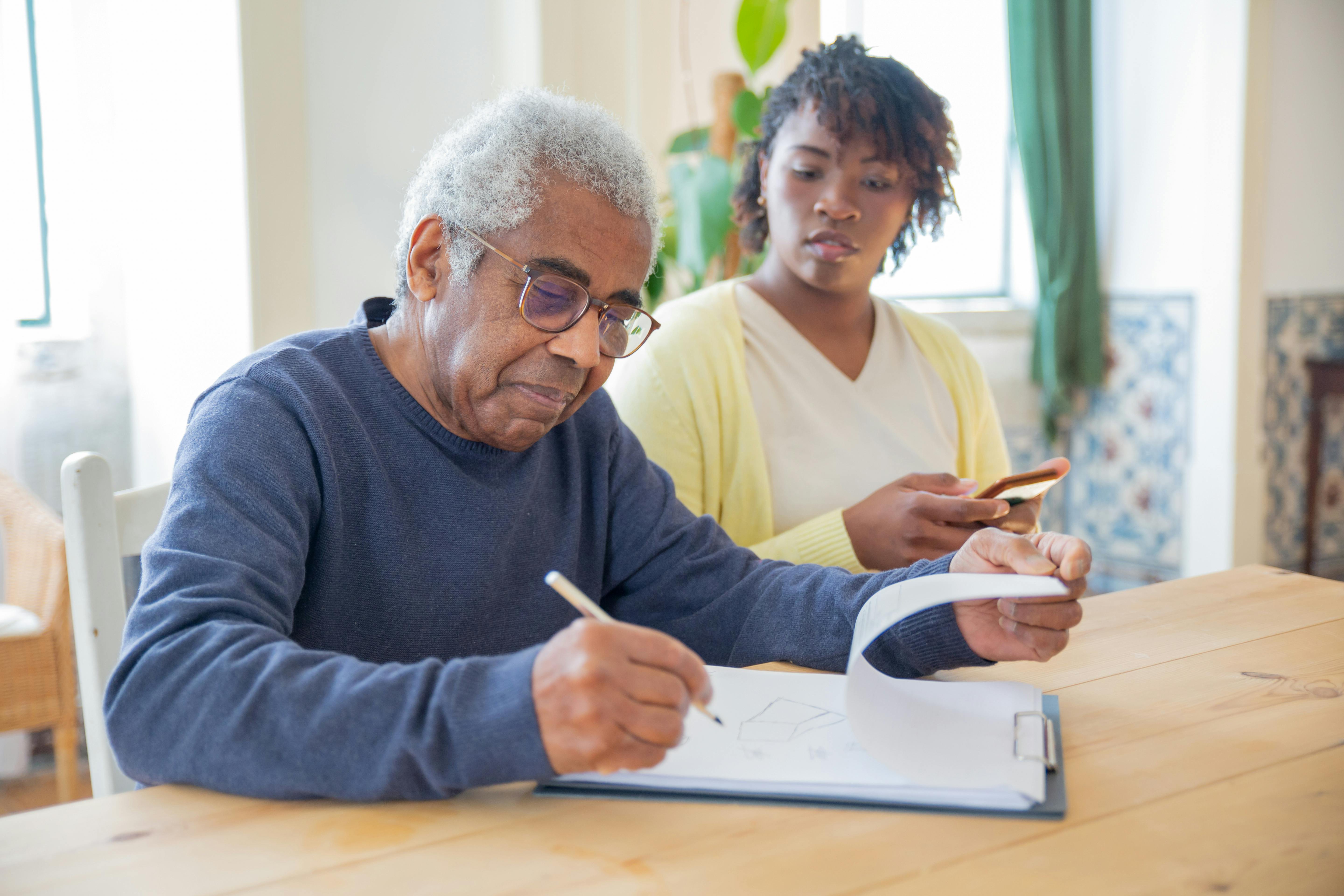
Morning: Days often begin with wake-up and personal care. Staff will assist with bathing, dressing, toileting, and medication administration according to each resident’s care plan. Breakfast is usually served in a dining room with options to accommodate dietary needs—regular, diabetic, soft, or pureed. Many homes offer morning check-ins by nursing staff to monitor vitals and any new concerns.
Meals and Nutrition
Meals are structured, commonly with three main meals and snacks available. Dining is both a nutritional and social experience. Menus are designed with resident preferences and diet restrictions in mind, and staff or a dietitian may meet with families to plan special diets. Residents who need feeding assistance receive one-on-one help from trained caregivers.
Social Opportunities and Activities
Social life is a key part of daily life. Activity calendars typically include a mix of physical, cognitive, and leisure programs such as:
- Group exercise or chair yoga
- Arts and crafts
- Music therapy and sing-alongs
- Games like bingo or cards
- Religious services or spiritual programs
- Outings to parks, local events, or shopping (when available)
Participation is voluntary, and staff encourage residents to join in at whatever level is comfortable. These activities help maintain skills, reduce isolation, and foster friendships.
Personal Care and Medical Support
Nursing homes provide varying levels of medical supervision—from routine medication management and wound care to rehabilitative therapies (physical, occupational, speech). Care plans are individualized and updated regularly. Staff typically include registered nurses, licensed practical nurses, certified nursing assistants, therapists, and often a care coordinator who communicates with families and physicians.
Afternoon and Evening
Afternoons may include therapy sessions, visiting hours, quiet time, or more activities. Dinner is another social opportunity. As evening approaches, staff assist with personal hygiene, evening medications, and settling residents into a comfortable night routine. Night staff perform periodic checks to ensure safety and respond to needs.
What Residents Can Expect Day-to-Day
Expect a balance of routine and choice. There will be scheduled care tasks and communal activities, but good facilities also honor personal preferences—bedtime, meal choices, and participation in programs. Privacy and dignity are central, and staff should respect each resident’s routines and independence as much as possible.
Tips for Families
- Review the resident’s care plan and meet with the care team regularly.
- Ask about dietary accommodations, medication management, and staffing ratios.
- Encourage involvement in activities suited to the resident’s interests and abilities.
- Visit at different times of day to see typical routines and interactions.
- Bring personal items that make the room feel like home and help with adjustment.
Understanding daily life in a nursing home helps set realistic expectations and promotes a smoother transition. With attentive care, meaningful activities, and supportive staff, many residents find a new sense of community and stability.



This overview was reassuring. My mother is moving next month and it’s helpful to know what a typical day might look like. Thank you for the practical tips about visiting at different times.
Good breakdown of the routines. I appreciate the focus on dignity and choice—it’s important that facilities respect residents’ personal preferences.
As someone who works in long-term care, I can confirm that activities and consistent care plans make a big difference. Families should ask about staffing levels and therapy options when touring.
Would love more info on how to help a loved one adjust emotionally. The practical parts are great, but the transition can be hard mentally too.